Selected Case Notes

The thinking behind the work.

Some work cannot be shown fully because of privacy, client context, or limited access. These notes explain the strategy, constraints, and decisions behind selected projects.

Strategy notes Private work context Content direction Marketing decisions
These are not full case studies with every metric or asset shown. Think of them as selected notes that show how I approach problems, work with constraints, and make marketing decisions more intentional.

Vacation Rentals

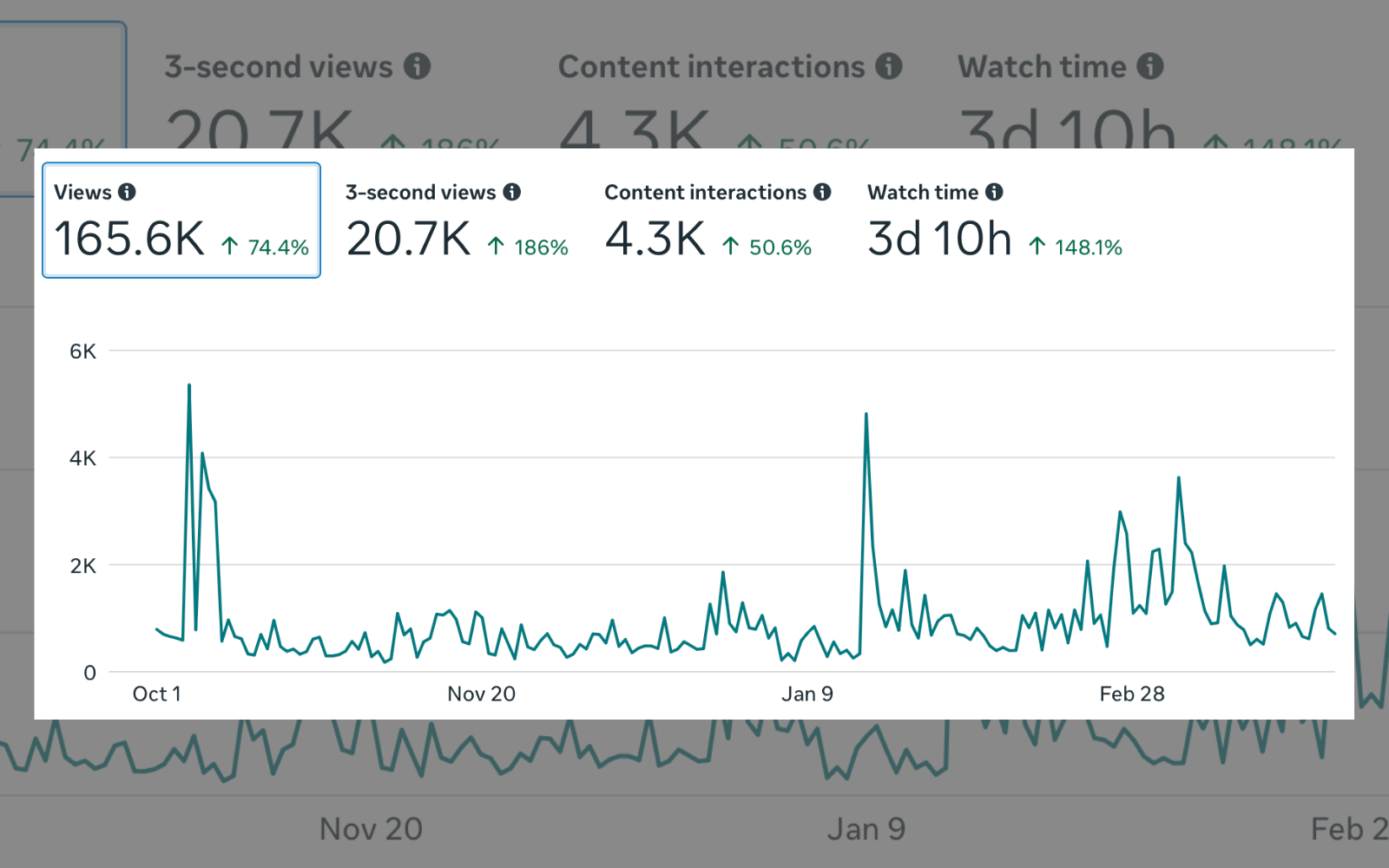
A hospitality-focused project where visual assets were limited, but the need for strong content was still high. The work focused on making the most of available materials, learning from performance, and creating a practical system that fit the client’s way of working.

Vacation rentals Limited assets Content testing StoryBrand thinking
Private work note

The challenge

In vacation rentals, visuals are very important because people need to imagine the stay before they book. The challenge was working with limited available assets while still creating content that felt varied, useful, and aligned with the experience.

What I did

  • Worked with the assets already available and found different ways to use them
  • Posted varied content at first to see what the audience responded to
  • Used performance patterns to understand what worked, then duplicated those directions more intentionally
  • Applied StoryBrand and neuromarketing-informed thinking to captions, messaging, and content framing
  • Created a flexible communication and approval system that aligned with how the client naturally worked

What this shows

This shows how marketing is not always about having perfect assets. Sometimes the work is about using what is available, finding the strongest patterns, and building a process that makes content easier to keep moving.
Lifestyle Content

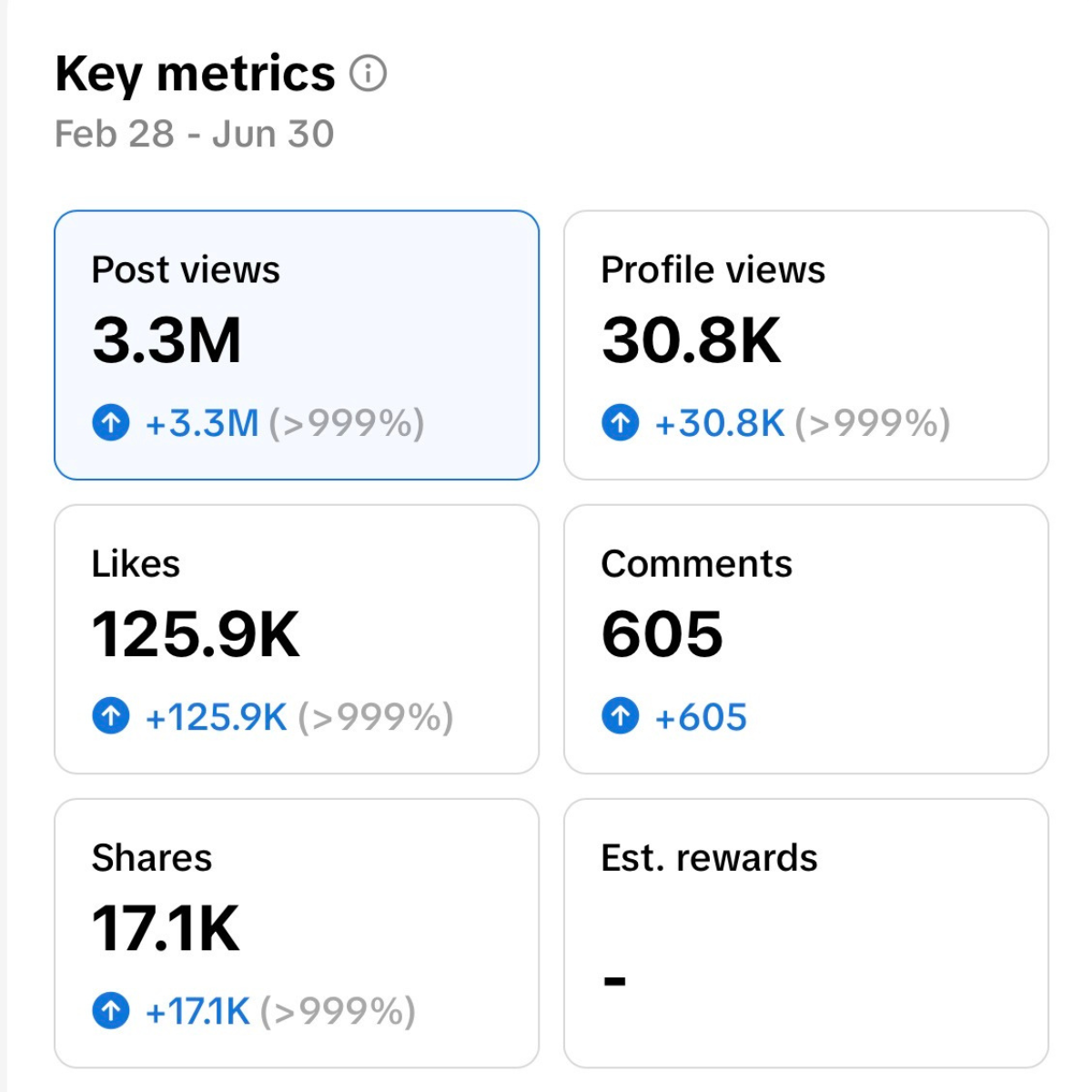
A content approach focused on making the first slide work harder. The goal was to create posts that felt natural and interesting enough for people to keep swiping.

Lifestyle content First-slide strategy Relatability Authentic framing
Private work note

The challenge

Lifestyle content can easily feel too curated or too generic. People often scroll past posts that feel overly polished, especially when the content does not quickly give them a reason to care.

What I focused on

  • Making the first slide strong enough to stop the scroll
  • Putting the most important context on the first slide when needed
  • Using the next slides to support, explain, or add more detail
  • Showing enough of the visual or idea early so people feel curious to continue
  • Making the tone feel authentic, relatable, and less overly curated
  • Creating the feeling of talking to a friend instead of being sold to

What this shows

This shows how small content decisions can shape the whole experience. A stronger first slide can create curiosity, set the context, and make the rest of the carousel feel easier to follow.

Want to see how this thinking applies to your business?

Most of my client work is private or under NDA, but I’m happy to make a small test output for free if you want to see how I think.